

In the Primorsky district of Odesa, the dead-end street Levanevsky has been renamed to Tolvinsky Alley.
Key points:
- Levanevsky dead-end has been renamed to Tolvinsky Alley.
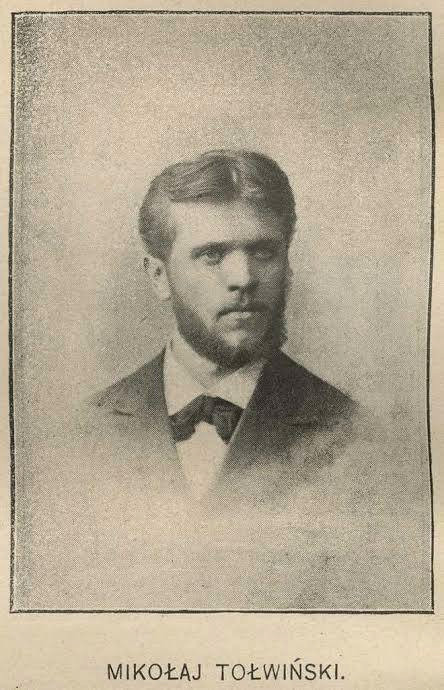
- Mykola Tolvinsky was an architect who worked in Odesa since 1887.
- His projects include the health resort «Kuyalnik», university buildings, and structures on the Railway Square.
- He created university wings, an observatory, and the library for ONU.
- After Odesa, he worked in Warsaw; his son is a founder of the Polish urban planning school.
Mykola Kostiantynovych Tolvinsky (1857 – 1924) was born in Warsaw but experienced his creative peak in Odesa. Since 1887, he worked in the city government, designing residential and public buildings that still beautify the city today.
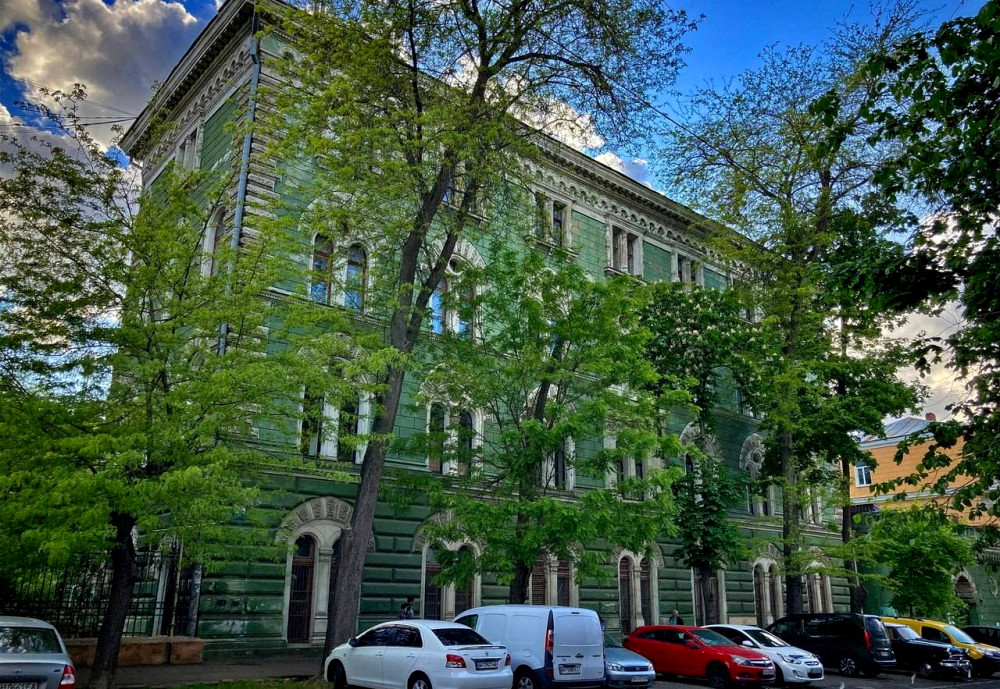
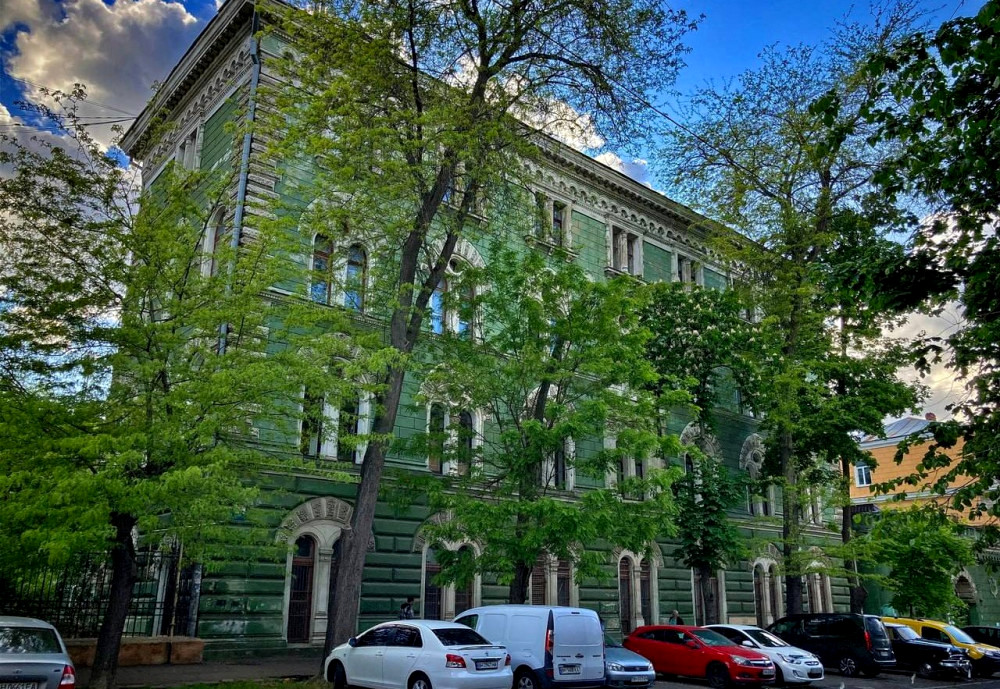
In the very heart of the city, on Railway Square, the judiciary buildings and Zemstvo administration were built according to Tolvinsky's designs, both in the renaissance style. Currently, these buildings house the administration of the Odesa Railway.
Among his prominent projects are the hospital building of the «Kuyalnik» health resort, the physical and chemical faculties of Odesa University, as well as the anatomical building of the Medical University, the magnetic-meteorological observatory, and the scientific library of ONU.
In 1900, the architect returned to Warsaw, continuing his work at the polytechnic institute. His son Tadeusz Tolvinsky, born in Odesa, became one of the founders of modern urban science in Poland.