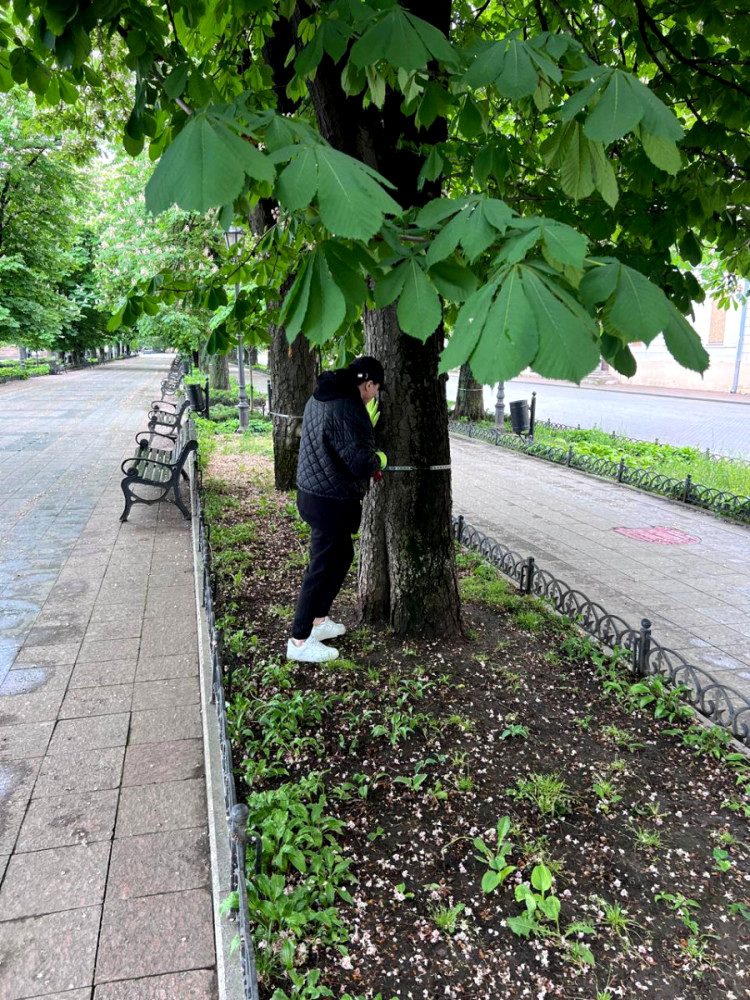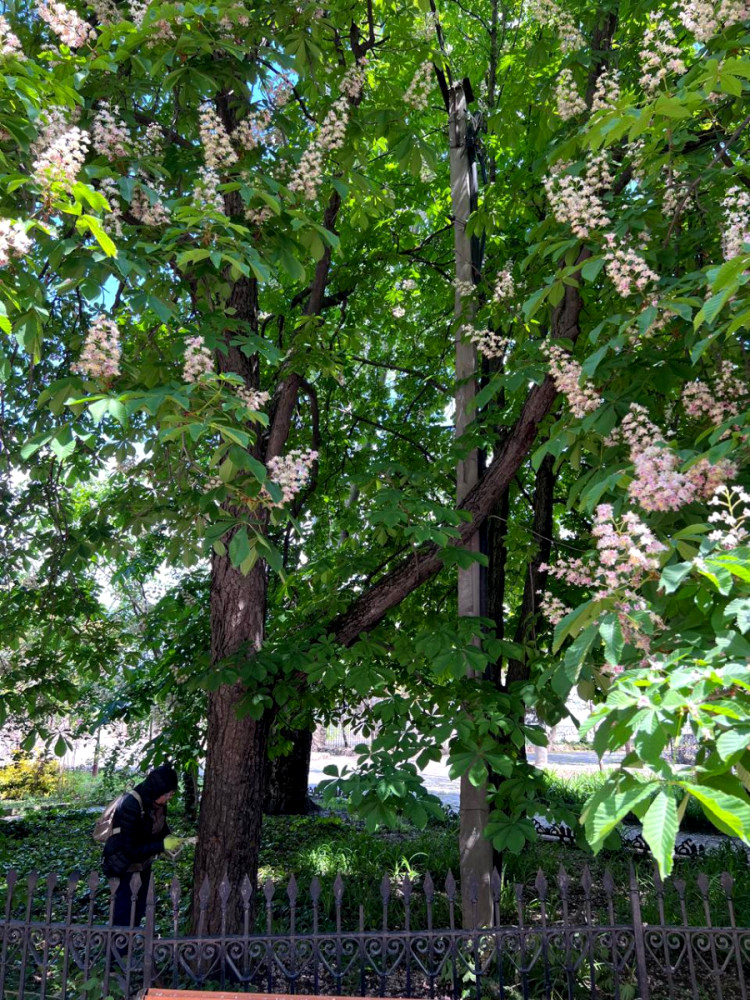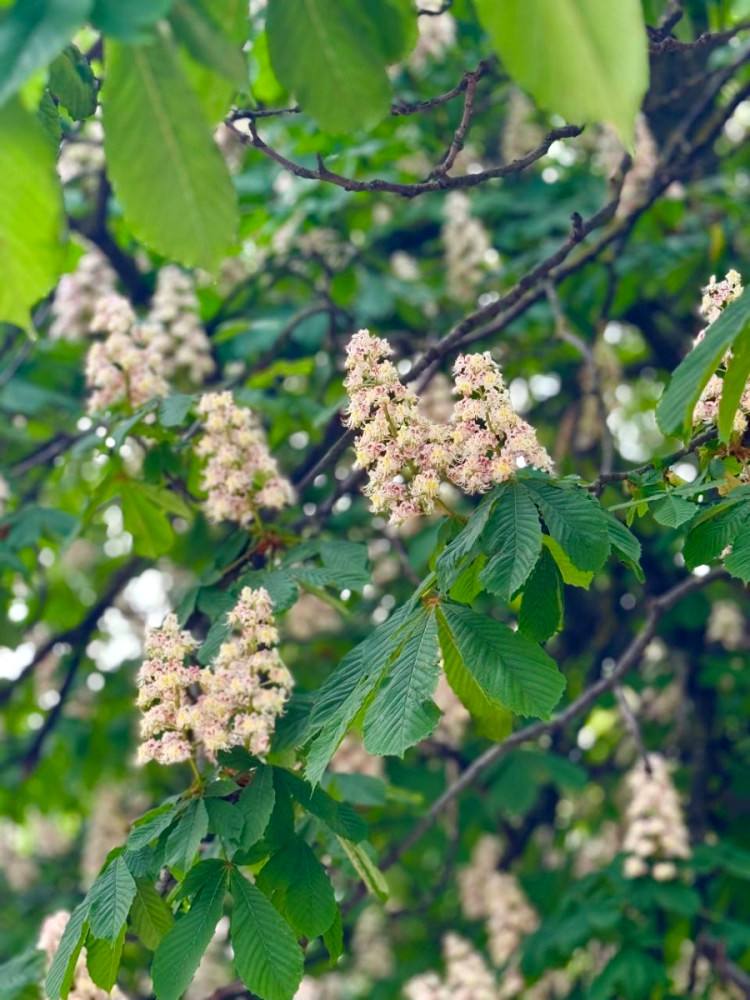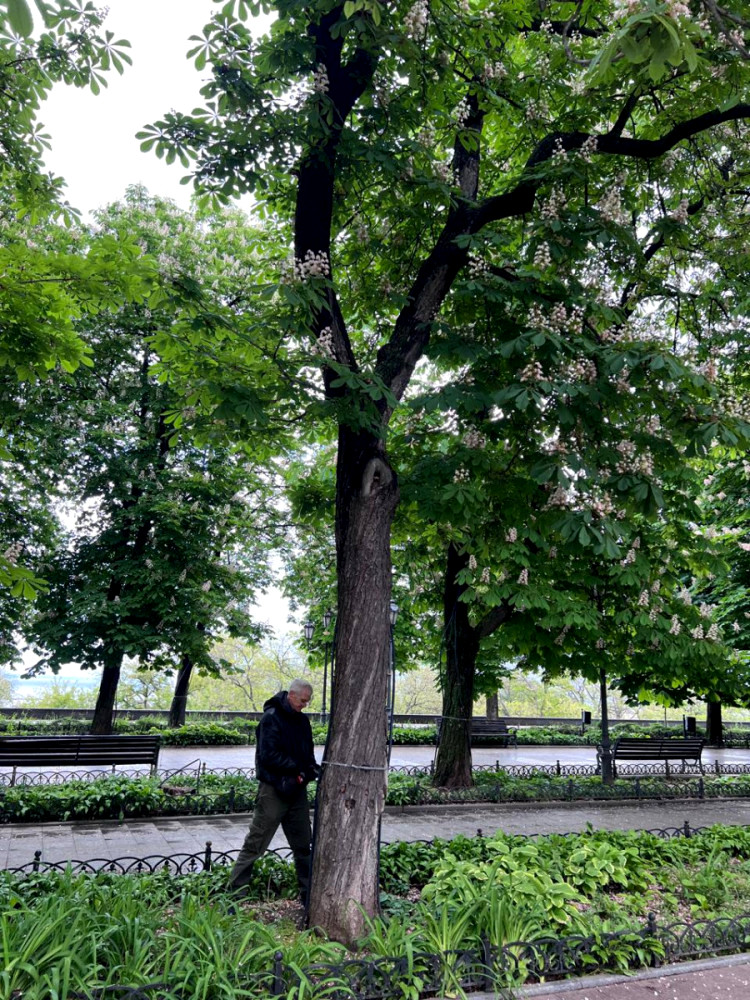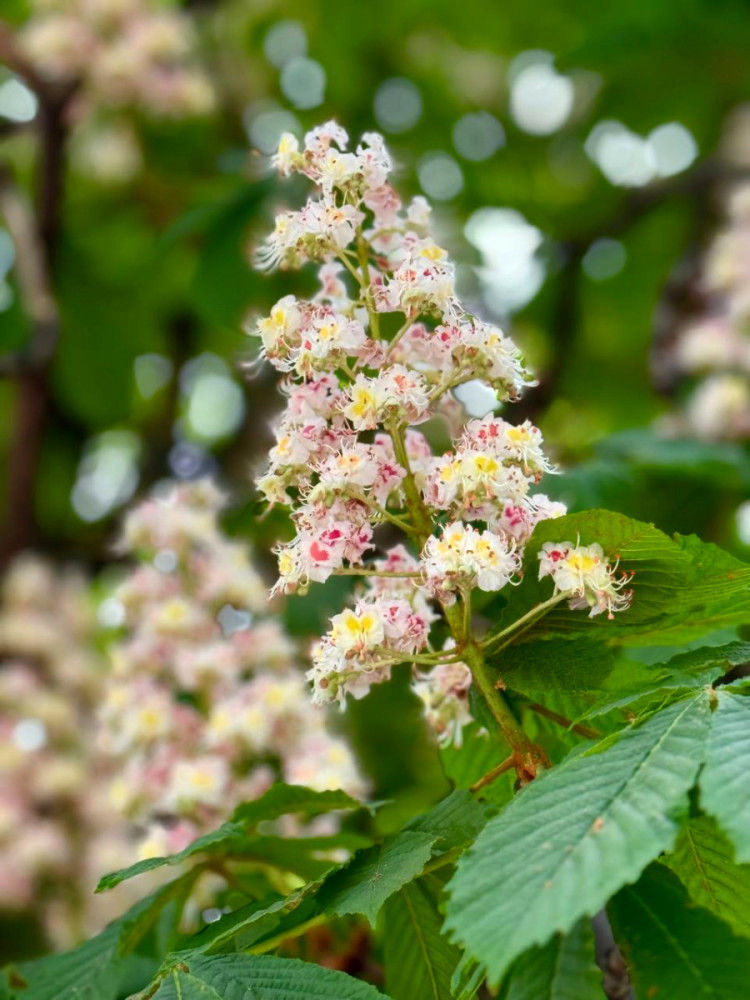

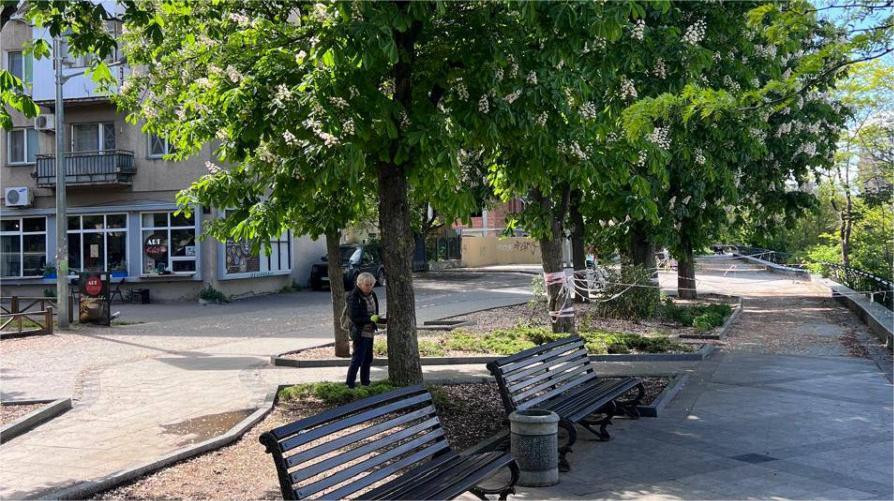
In recent years, there has been an increase in cases of chestnut trees being infested by a harmful pest - the leaf-mining moth. The caterpillars of this pest live within the leaves, leading to their destruction and causing significant damage to urban chestnut plantations.
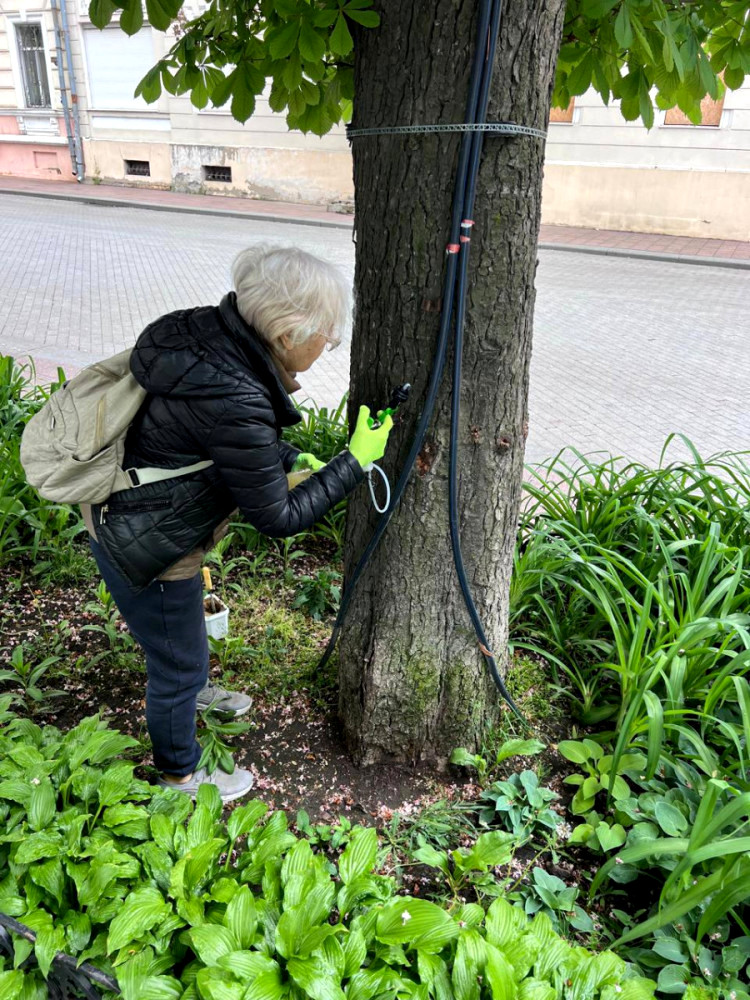
To prevent worsening of the situation, specialists from the Municipal Enterprise «Miskzelentrest» have been vaccinating chestnuts with a special treatment annually since 2017.
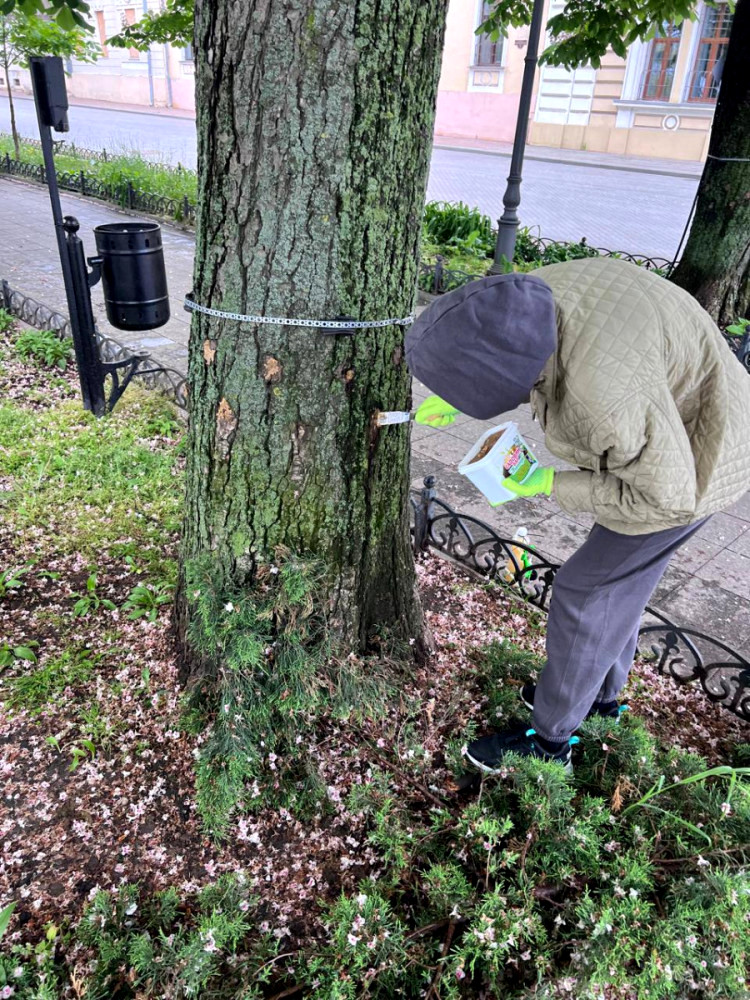
To administer the vaccine into the tree’s vascular tissue, a small hole is made, through which the substance spreads into the leaves, rendering them inedible for the leaf-mining moth. This procedure results in the death of the larvae.
A mixture of insecticides and fungicides delivered via injection is an effective method for both prevention and eradication of the pest if it has already attacked the tree.
According to the Municipal Enterprise «Miskzelentrest», this pest control method is permitted in populated areas as it is completely safe for the environment and the trees.
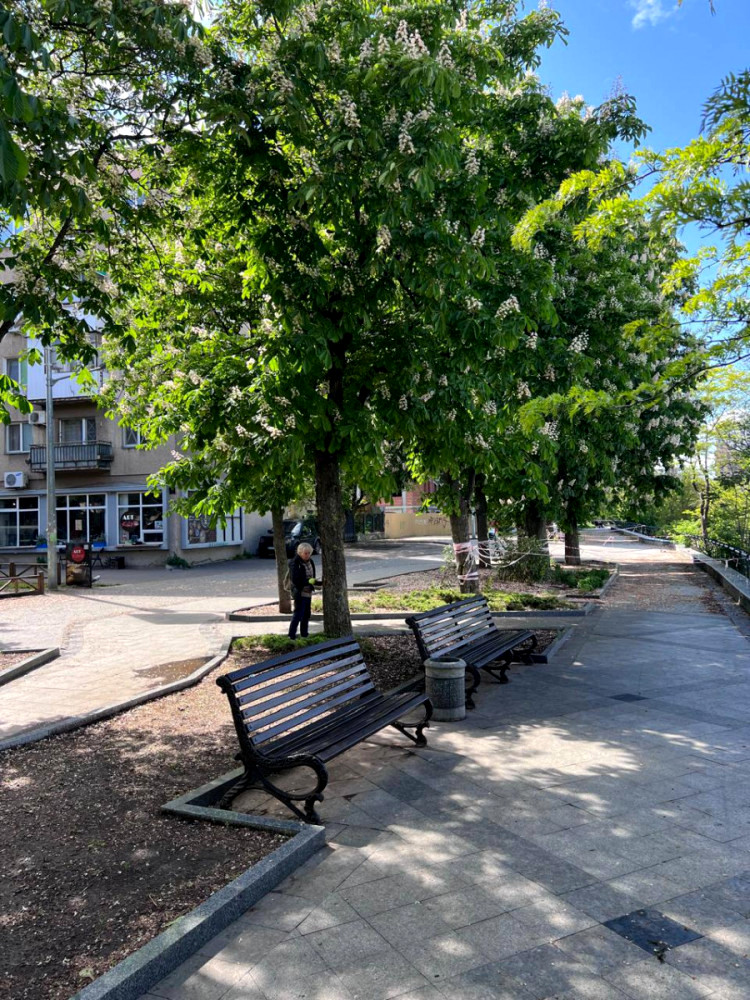
This year, 995 chestnuts are scheduled to be vaccinated.
***
The leaf-mining moth is one of the main dangerous pests of the horse chestnut, causing serious harm to urban tree plantings. The caterpillars feed on the sap and tissues of the leaves, which can lead to their drying out and potentially the death of the tree. During the growing season, the moth can produce up to three generations.
In addition to the damage caused, the leaf-mining moth is a carrier of viral infections, contributing to the spread of other diseases in trees.
Research has shown that the most effective method for combating the leaf-mining moth is via injections into the tree trunk. This method is effective for tackling not only the moth but also other insects and diseases that parasitize trees.