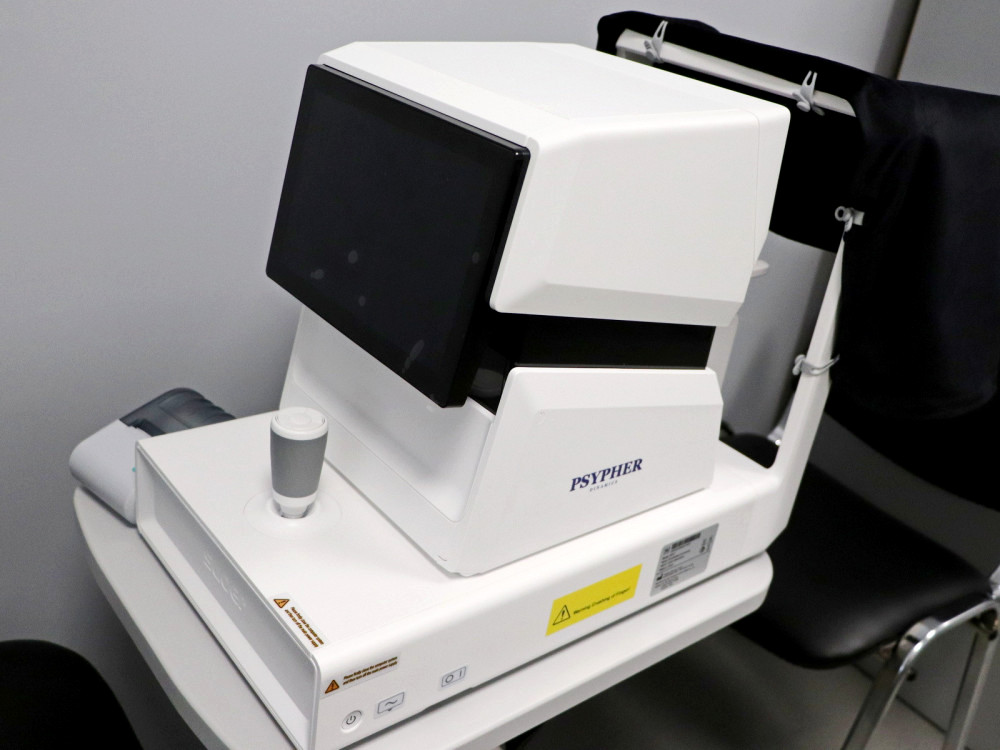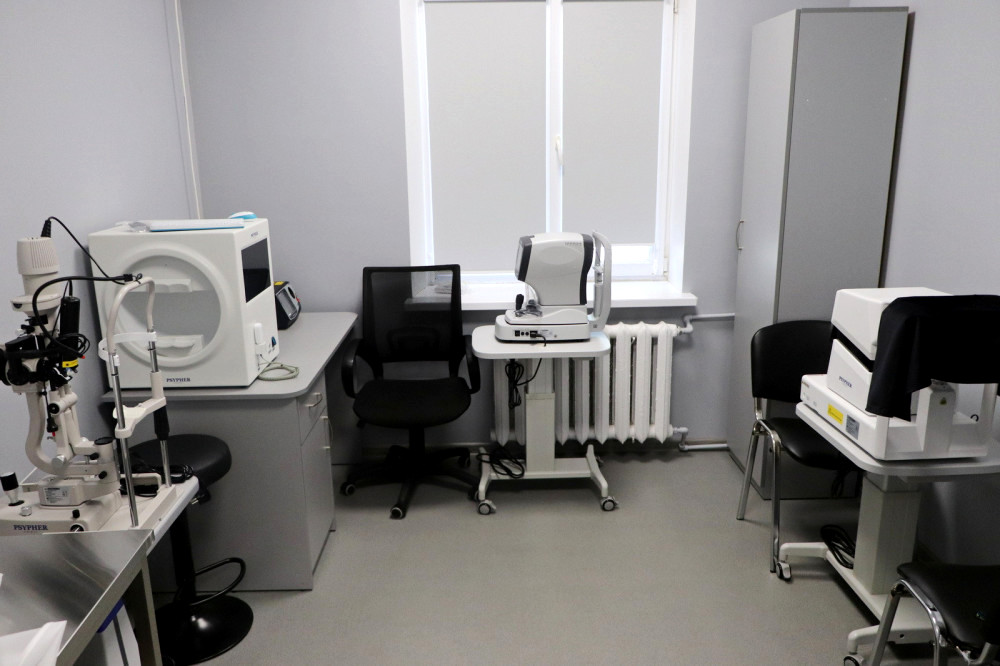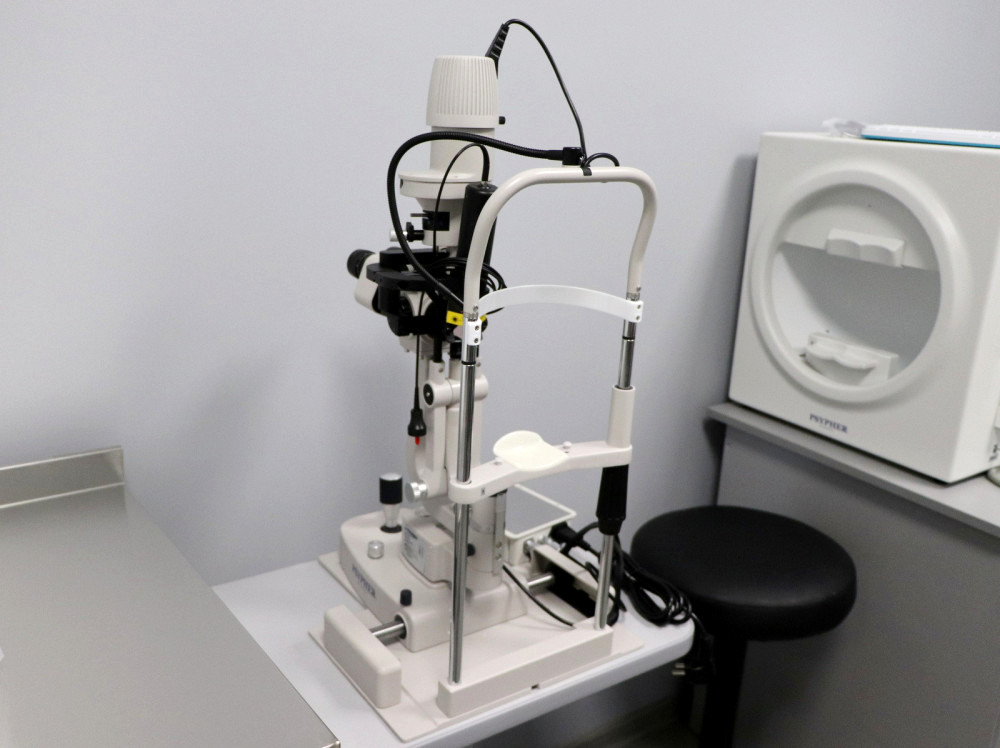


The City Clinical Hospital No. 10 in Odesa has launched a new eye trauma center with the support of the Department of Health. This facility will operate 24/7, providing specialized assistance to residents and visitors with eye injuries.
The trauma center addresses cases of domestic and industrial eye injuries, cuts, burns, chemical exposures, foreign body entry, and sudden vision deterioration. Medical assistance is provided free of charge under the state medical guarantee program.
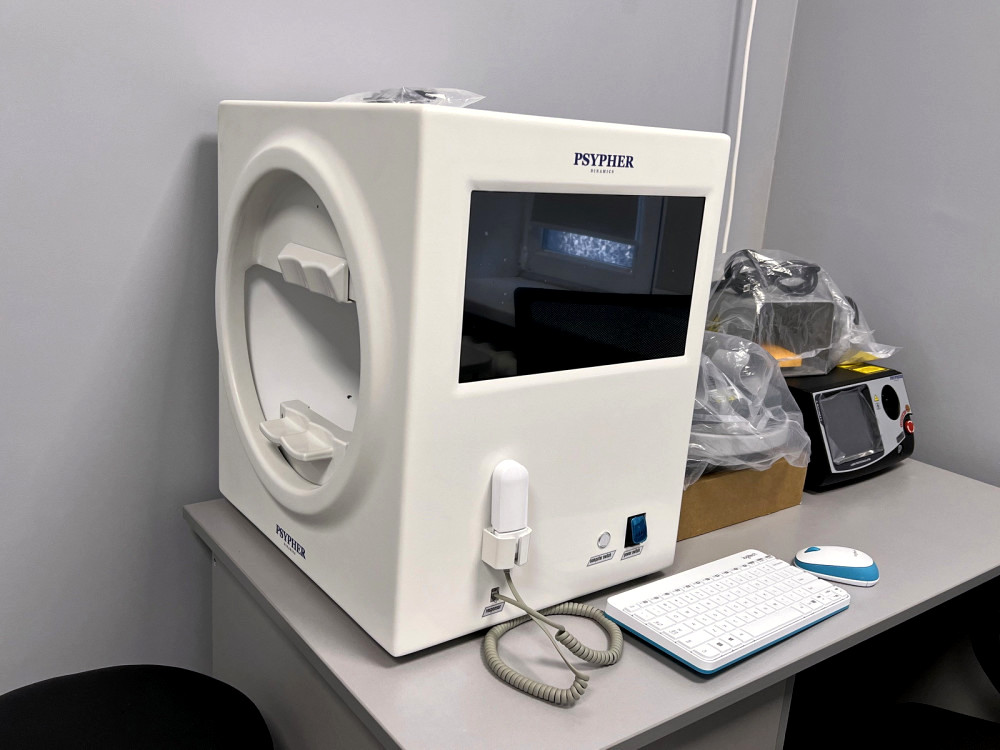
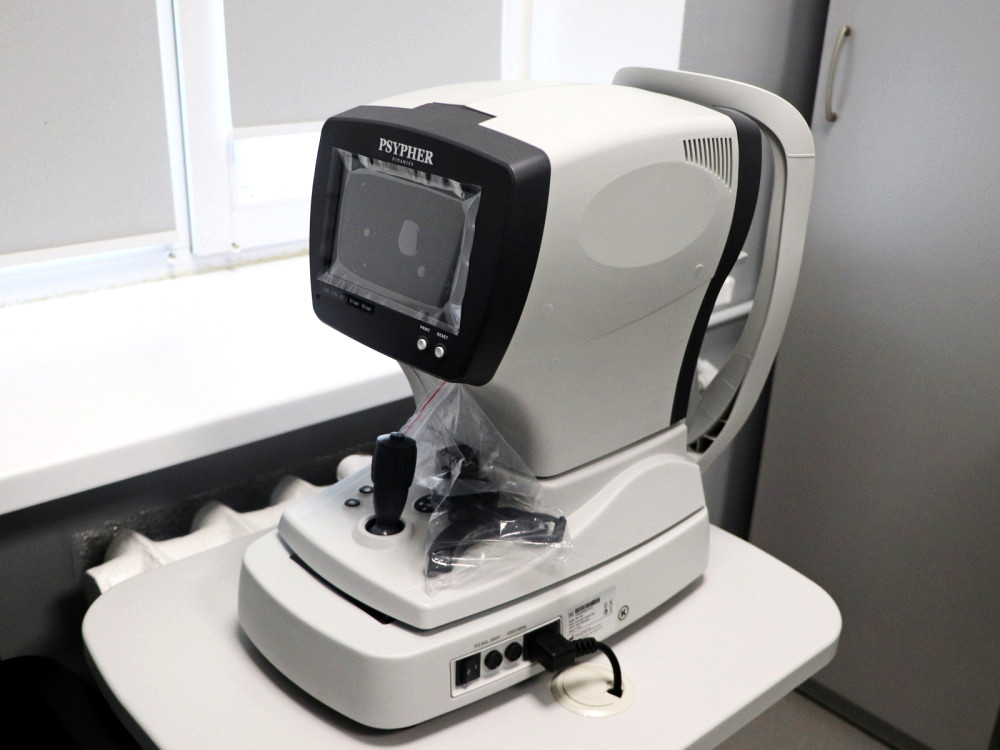
Starting from September 2025, the hospital will also introduce an ophthalmological service, ensuring emergency ophthalmic care. Additionally, a planned ophthalmological office will continue to operate, equipped according to modern medical standards.
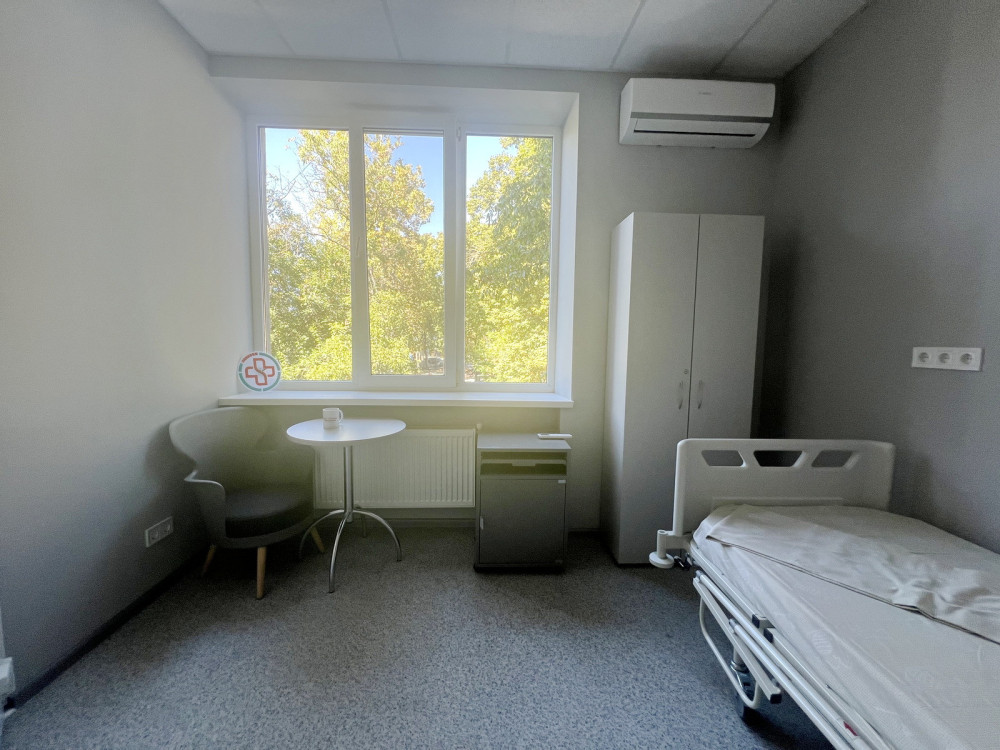
Special rooms and a procedure room have been established in the polytrauma department for patients with combined eye injuries and for inpatient treatment of other ophthalmic conditions. The operating room is equipped with an ophthalmic microscope and other equipment necessary for a wide range of ophthalmic surgeries, including those for cataracts.
“The hospital is acquiring new medical services that are essential for cluster facilities as part of the infrastructure reform of the national healthcare system, aimed at ensuring a multidisciplinary approach to diagnosing and treating diseases and improving the quality of care,” stated Denis Sebov, the hospital's director.
Thus, Odesa now has its own comprehensive diagnostic and inpatient ophthalmological service. The need for urgent ophthalmic care is especially pressing during wartime due to the increased risk of eye injuries from enemy attacks.
The opening of the eye trauma center marks not only a new step in the development of City Hospital No. 10 but also a significant strengthening of the emergency and specialized care system in Odesa. Within the framework of the city health program, sets of intraocular lenses and other medical products for cataract surgery are being procured, which residents will be able to receive for free.
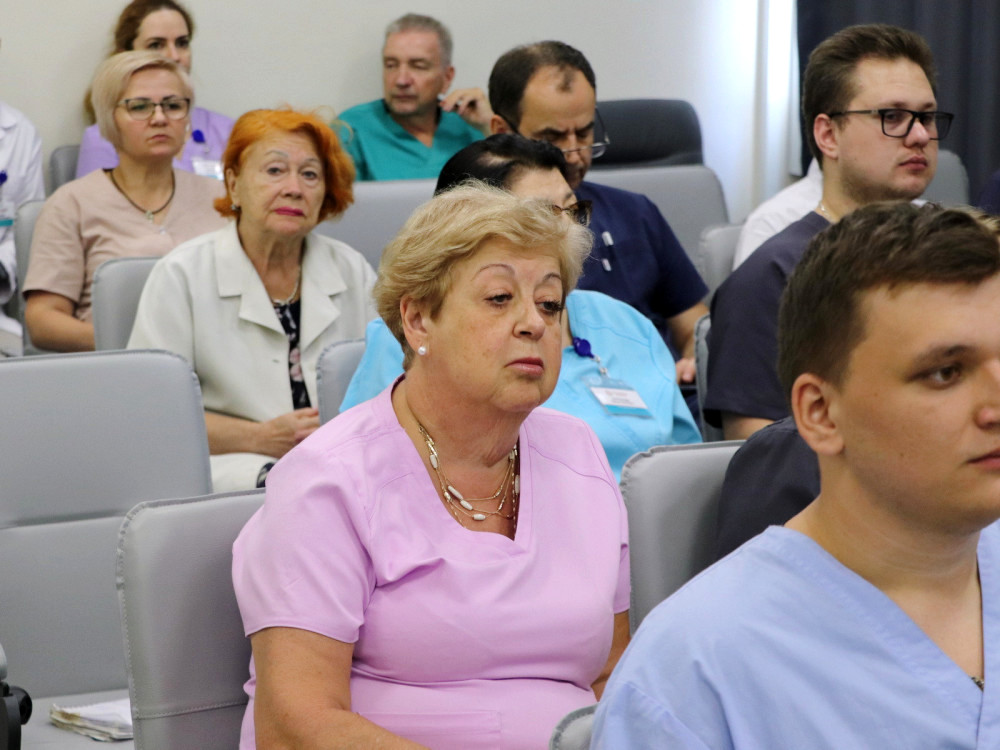
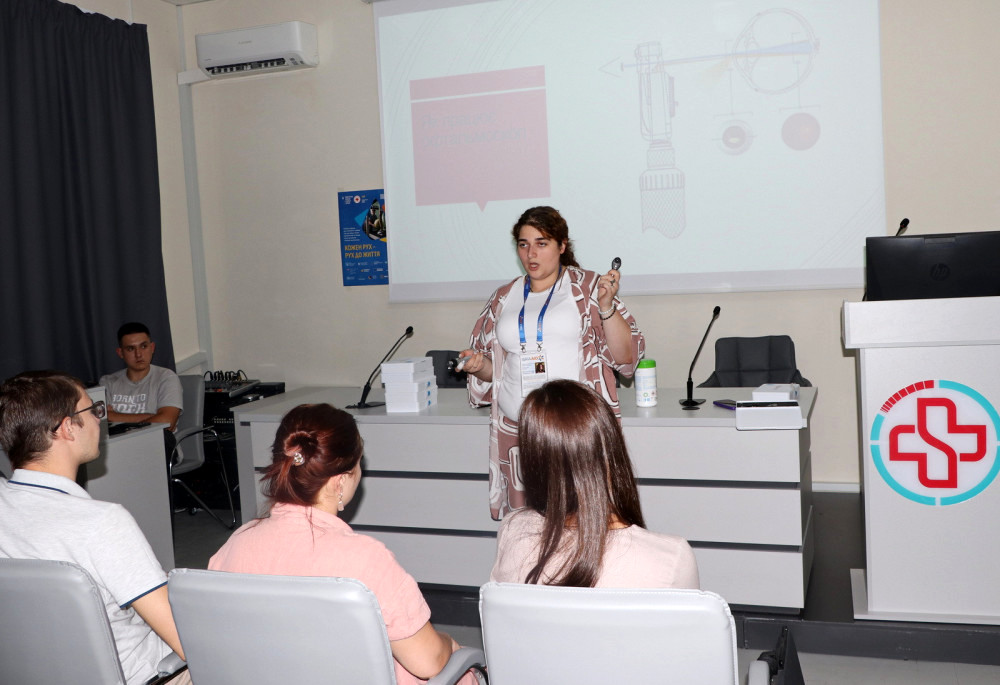
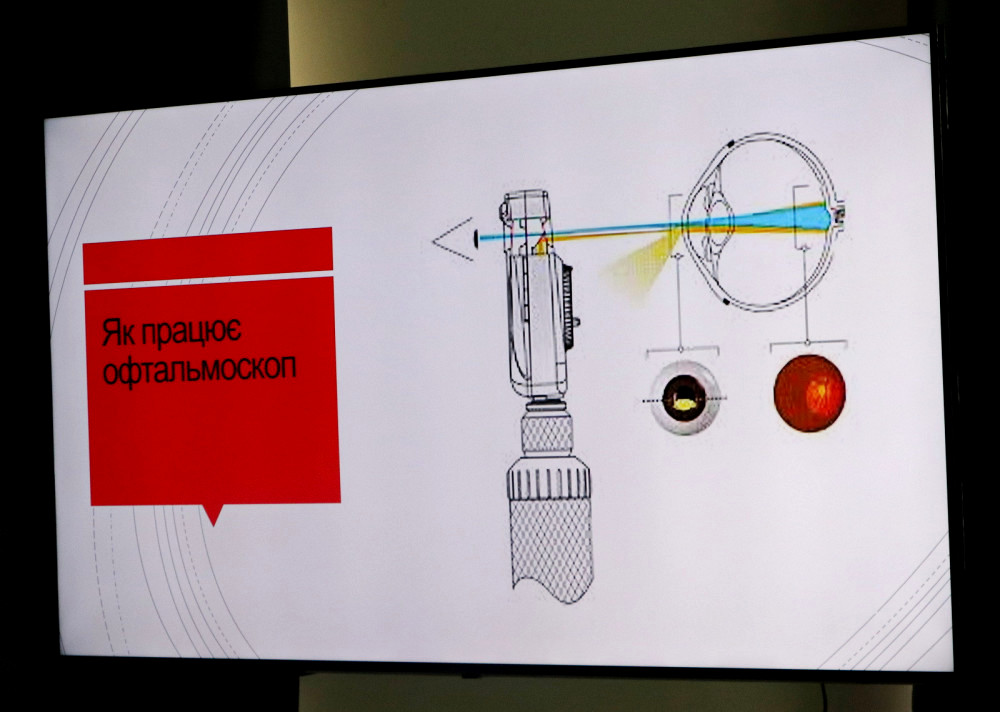
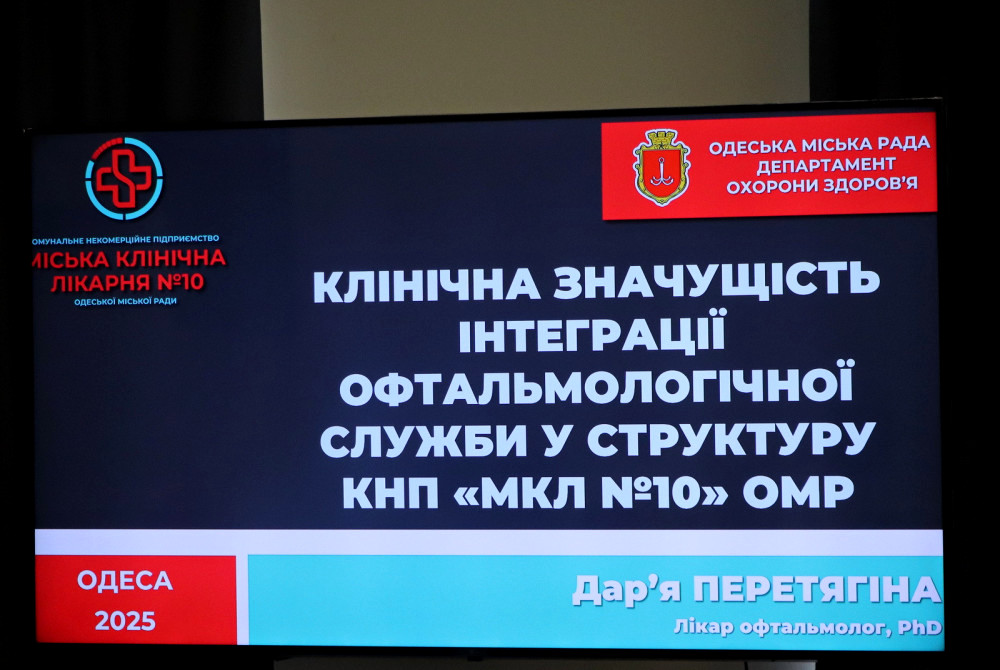
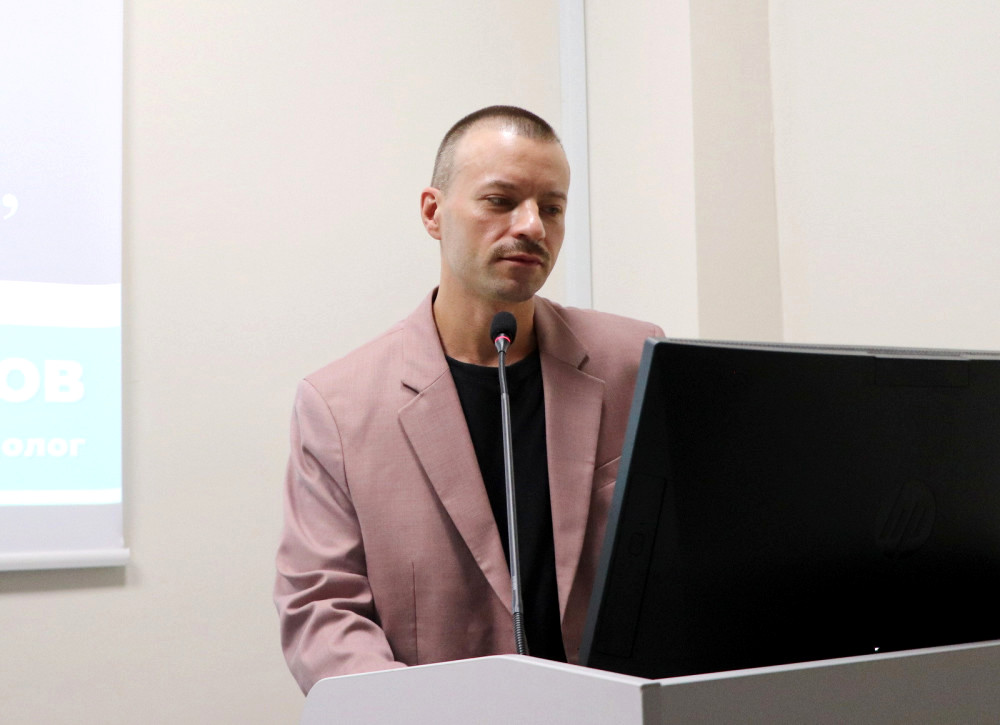
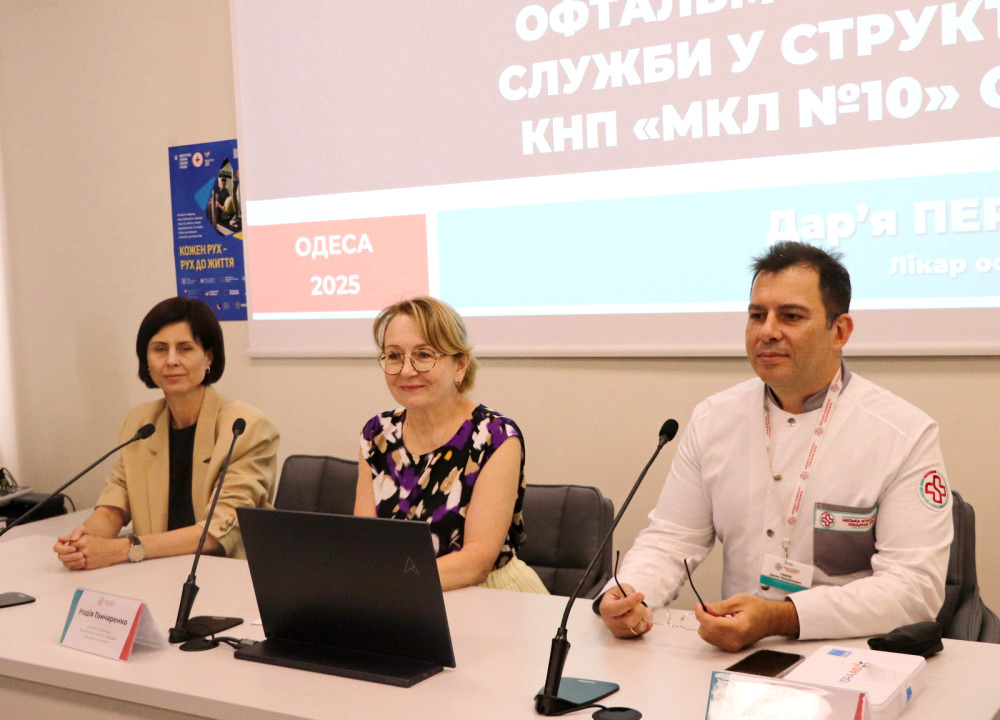
The new ophthalmological service was presented at a conference where the structure and capabilities of the service, its integration, and interaction with other structural units and city medical facilities were discussed. A master class on ophthalmoscopy was also held for doctors.